
Cybersecurity Trends for 2025: What Businesses Need to Know
Key security shifts shaping how organizations protect data, systems, and identities in an increasingly digital world.
Emarson Solutions Team
Cybersecurity & Digital Risk Advisors
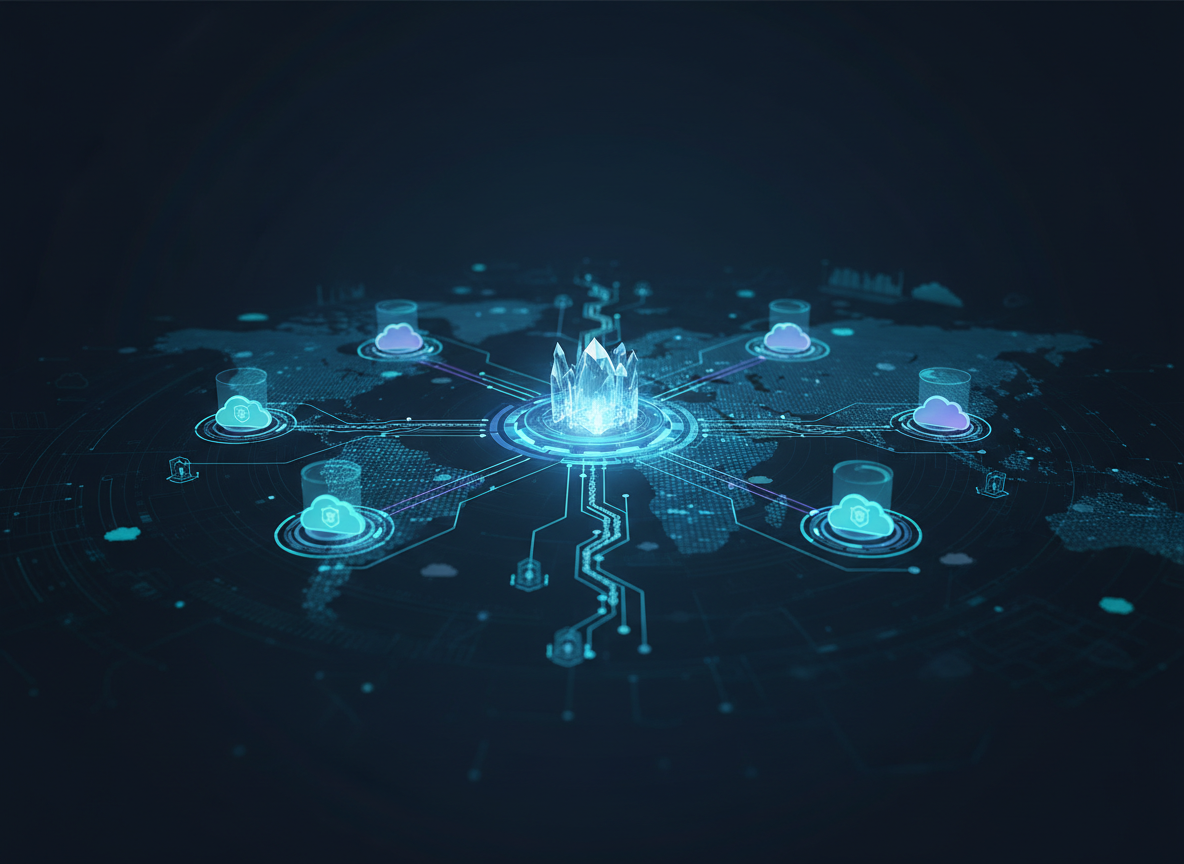
As organizations move toward 2025, cybersecurity continues to rise as a board-level priority. Rapid digital transformation, expanding attack surfaces, and increasingly sophisticated adversaries are reshaping how businesses must think about security.
At Emarson, we closely track emerging threats and technologies to help organizations stay resilient. These are the cybersecurity trends we believe will define 2025—and what businesses need to do to stay ahead.
AI-Driven Cybersecurity Becomes Essential
Artificial intelligence is rapidly transforming cybersecurity operations. In 2025, AI-driven security solutions will become central to threat detection, incident response, and security operations.
By analyzing massive volumes of data in real time, AI enables faster identification of anomalies, predictive threat modeling, and automated containment—helping organizations respond to attacks at machine speed.
Zero Trust Architecture Becomes the Default
Zero Trust Architecture is moving from best practice to baseline standard.
Built on the principle of "never trust, always verify," Zero Trust requires continuous authentication and authorization of users, devices, and applications. With remote work and BYOD now permanent fixtures, Zero Trust is critical for preventing unauthorized access and reducing lateral movement within networks.
Cloud Security Takes Center Stage
As businesses expand across multi-cloud and hybrid environments, cloud security will demand even greater focus in 2025.
Organizations will increasingly adopt cloud-native security platforms to gain visibility, enforce access controls, and meet compliance requirements across distributed cloud assets.
Ransomware Attacks Become More Targeted
Ransomware attacks are expected to grow more targeted and disruptive, particularly in sectors such as healthcare, finance, and critical infrastructure.
Attackers are refining their techniques, leveraging double extortion tactics and untraceable payment methods. Proactive defenses—such as immutable backups, incident response planning, and user awareness—will be essential to resilience.
Privacy Regulations Drive Cybersecurity Investment
Evolving data privacy regulations are forcing organizations to strengthen cybersecurity controls.
In 2025, cybersecurity and privacy strategies will become increasingly aligned, with greater emphasis on encryption, secure data storage, access governance, and audit readiness to meet global regulatory requirements.
The Emergence of Quantum-Resistant Encryption
Quantum computing poses a long-term risk to traditional encryption methods.
While large-scale quantum attacks are not yet mainstream, forward-looking organizations in 2025 will begin evaluating quantum-resistant encryption techniques to future-proof sensitive data and critical systems.
The Human Factor Remains a Critical Risk
Despite advances in technology, human error continues to be a leading cause of security incidents.
In 2025, organizations will invest more heavily in cybersecurity awareness programs—training employees to recognize phishing, manage credentials securely, and understand their role in protecting data.
Identity Theft and Identity Security Gain Focus
As attackers become more adept at stealing personal and corporate identities, identity-based attacks are expected to rise.
Businesses will strengthen identity and access management, fraud detection, and monitoring to protect customer data and prevent account compromise.
Preparing for the Cybersecurity Landscape of 2025
Cybersecurity in 2025 will be defined by intelligence, adaptability, and resilience.
From AI-powered defenses and Zero Trust architectures to cloud security and future-ready encryption, organizations must remain agile and informed to stay protected in an evolving threat landscape.
"Cybersecurity success in 2025 will depend on how quickly organizations can adapt—not just to new threats, but to new ways of securing trust."